 Historical places
The history and culture of Yasin Valley: rulers, a hero and a festival of seeds
TourScope team · 16 November 2026 · 3 min read
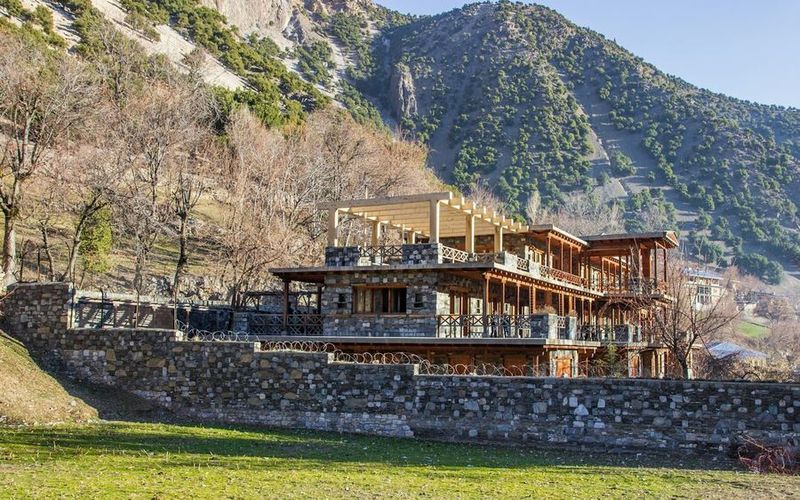
Photo: Ghazala Shah, CC BY-SA 4.0, via Wikimedia Commons
From the Khushwaqt rajas and Gohar Aman's battles over Gilgit to Havildar Lalak Jan, Nishan-e-Haider, and the spring festival of Tukhm Rezi: the story of Yasin.
Yasin today feels peaceful: orchards, polo grounds and quiet villages. But for much of the 19th century this valley was at the centre of the struggle for power in the mountains between Chitral, Gilgit and Kashmir. Its people are also proud of a modern hero, and they keep alive festivals that are centuries old.
The Khushwaqt rulers
Yasin was once a small mountain state, known as Worshigum, ruled by the Khushwaqt dynasty. The Khushwaqt were a branch of the Katoor family that ruled Chitral, and the two states remained closely linked by family ties for generations. Even today, polo teams from Chitral visit Yasin to celebrate those old connections.
Gohar Aman and the battles for Gilgit
Yasin's most famous ruler was Gohar Aman (1809–1860), born in Yasin and Raja of the valley from 1841 until his death. At the height of his power he also controlled Mastuj and the Ghizer valley. He captured Gilgit in 1841, was later driven out by Sikh forces, attacked Gilgit again in 1848 together with Aman ul-Mulk of Chitral, and supported the uprising of 1852 that pushed the occupiers out of Gilgit once more.
After Gohar Aman died, the Dogra rulers of Kashmir retook Gilgit from his son. In 1863 Dogra forces invaded Yasin, and many of its people were killed. The memory of that invasion is still part of the valley's history.
The Great Game and George Hayward
Yasin's passes made it important in the Great Game, the rivalry between the British and Russian empires in Central Asia. In 1870 the British explorer George W. Hayward travelled through Yasin hoping to reach the Pamirs. He was killed near the Darkot Pass on 18 July 1870. Who was really behind his murder is still debated by historians. Hayward is buried in Gilgit. In 1895 the British made Yasin part of the Gilgit Agency, and from then on it was run by governors appointed from Kashmir.
Havildar Lalak Jan, Nishan-e-Haider
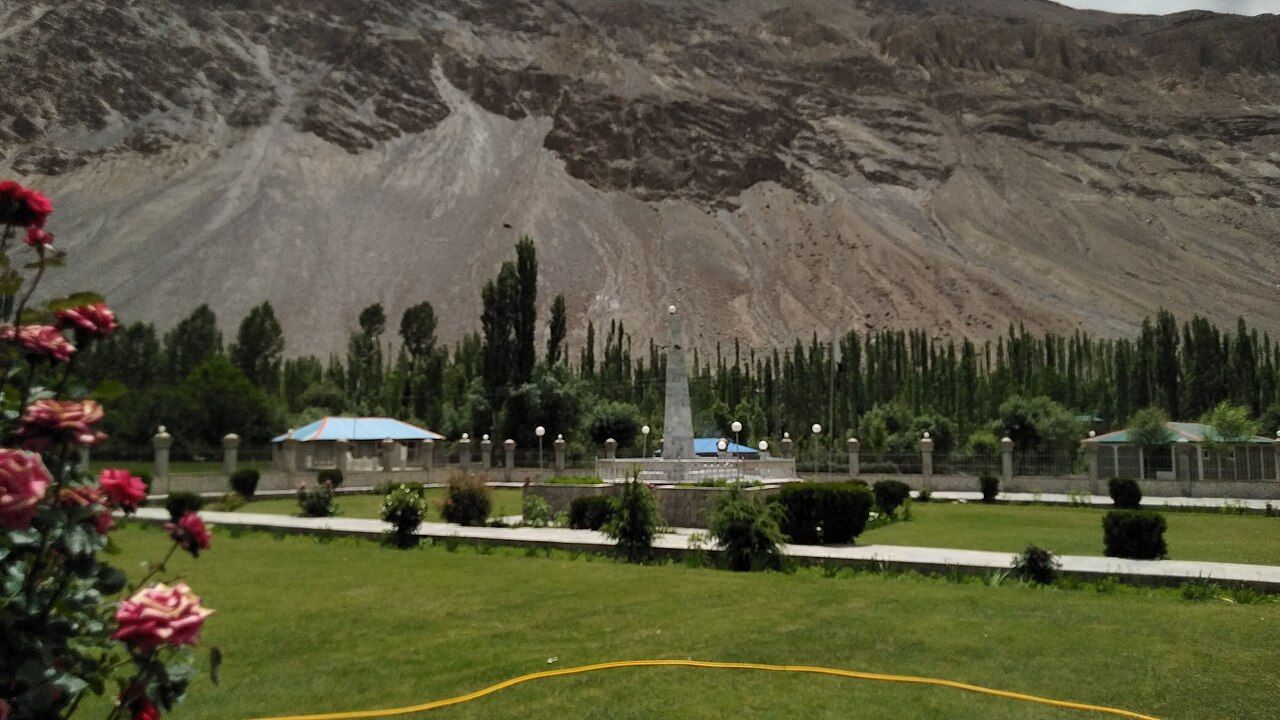
Yasin's best-loved son is Havildar Lalak Jan of the Northern Light Infantry. Born in Yasin on 1 April 1967, he was killed on 7 July 1999 during the Kargil conflict and was awarded the Nishan-e-Haider, Pakistan's highest military award for bravery. He is buried in his home village of Hundur, where his tomb stands in a landscaped memorial park. Wreaths are laid there every year, and many visitors to Yasin stop to pay their respects.
Languages and people
Most people in Yasin are Burusho and speak Burushaski, the language famous for being unrelated to any other language in the world. The Yasin dialect, sometimes called Werchikwar, is so different from the Burushaski of Hunza and Nagar that speakers of the two find each other hard to understand, and some linguists treat it as a separate language. Almost everyone in Yasin also speaks Khowar, the language of Chitral, and Shina and Wakhi are understood too. Most residents are Ismaili Muslims, with Sunni and Shia communities as well.
Tukhm Rezi: the festival of sowing seeds
Every year in the last week of February or the first week of March, Yasin celebrates Tukhm Rezi (also written Tokhamrazi), the seed-sowing festival that welcomes spring. It is centuries old. Elders lead a ploughing procession by moonlight, and the days are filled with polo, horse jumping, folk dances and tug-of-war, with bonfires lit on the mountainsides. Every household prepares a special dish of walnuts, apricots and almonds, called diram, and sends it to relatives as a gift.
Polo and winter games
Like all of Gilgit-Baltistan and Chitral, Yasin loves polo. The valley has its own Shahi Polo Ground, where local teams compete in tournaments, and Yasin teams travel to Shandur for the famous summer festival. In winter, when the fields freeze, Yasin has held an ice festival with ice hockey, skating, curling and even ice polo.
Visiting
To see Yasin for yourself, read our Yasin Valley travel guide, and use the tour matcher to find a company that runs cultural trips to Ghizer and Yasin. Trekkers can read about the old trade and war routes in Treks and passes of Yasin Valley.
Photo credits
Cover: Hundur Yasin 02 by Ghazala Shah. Memorial park: Lalak Jan Memorial by Kskhh. Both licensed under CC BY-SA 4.0.